Compare heavy-duty freight elevator manufacturers in China against the same load schedule, building drawings, supporting documents and supply scope. A five-tonne or fifteen-tonne label is only one part of that comparison. The proposed elevator also needs to accommodate the load's shape, support arrangement and transfer method, with a building interface that the project team can approve.
This guide is published by FEIYA Elevator for buyers reviewing industrial freight elevator proposals. It explains how to compare solutions in the five-to-fifteen-tonne range without treating every capacity as an interchangeable product. The focus is the evidence behind an offer and the questions that should be resolved before ordering, rather than a ranked list of suppliers.
Give each manufacturer the same loading brief
Start with the complete travelling load. Include the goods, packaging, pallets, stillages and any handling equipment intended to enter the car. If people need to travel with the goods, state that requirement so the proposed elevator type and permitted operating arrangement can be checked. A shipping weight for the machine alone may leave out a substantial part of the intended load.
Separate the heaviest planned trip from routine movements. A production line may move moderate batches every day and occasionally need to transfer a much heavier replacement machine. Both belong in the enquiry. Ask the supplier to explain the proposed arrangement for each, rather than sizing the discussion around an average that describes neither condition well.
Record the source of the measurements. Identify weights taken from shipping documents, dimensions measured on site and figures that remain estimates. Where information is uncertain, keep it visible in the comparison sheet. Two quotations cannot be compared fairly if one supplier assumes a smaller package or excludes equipment that another supplier has included.
Check usable space and the transfer route
Provide the packed length, width and height of the largest assembly. Include protective corners, projecting feet, pallet overhang and trolley handles. Show the load's required orientation and any restriction on turning or tilting. A capacity increase does not resolve a package that cannot pass through the proposed opening.
Review the approach at every relevant landing. Trace how the load reaches the entrance, crosses it, stands inside the car and leaves at the destination. Mark restrictive corners and obstacles on the drawings. If a load needs to turn, show the movement sequence rather than placing a rectangle diagonally inside an otherwise empty cabin.
Ask whether the proposed car dimensions refer to the finished usable interior. Confirm the clear door opening separately from the builder's opening and shaft dimensions. These dimensions describe different interfaces. The purchasing team should be able to place the same load drawing against each supplier's proposal and understand which requirement each dimension addresses.
Compare the documents behind the proposal
A product page, a test report and a customer installation record answer different questions. Organise them by the decision they support, then ask the manufacturer to explain how the proposed configuration connects to the evidence. A familiar logo or a large quantity of documents is less useful than a clear match between the document, equipment and scope under review.
| Evidence | Useful information | Question still to resolve |
|---|---|---|
| Product information | Available product categories and enquiry options | Which configuration is actually being proposed? |
| Historical parameter sheet | Dimensions and configurations recorded in an earlier source | Are those figures relevant to the current project? |
| Initial type-test report | The specimen and tests described in that report | How does the proposed equipment relate to that specimen and scope? |
| Supplementary report | The configuration or changes addressed by the supplement | Which original documents complete the report set? |
| Installation record | The documented application and project details | Does it demonstrate the buyer's particular loading arrangement? |
| Project proposal and drawings | The supplier's offer for the customer's brief | Which assumptions and interfaces remain unconfirmed? |
Ask for document identifiers and relevant pages so the review can be followed later. A cropped conclusion page may omit the model, specimen or configuration that makes the conclusion meaningful. If a proposal changes during negotiation, revisit the supporting documents instead of assuming the evidence for the first offer also describes the revised equipment.
Read supplementary and initial reports in context
Two FEIYA archive records illustrate why the document type matters. They are examples from FEIYA's own supplied records, not an independent certification review or a comparison of competing manufacturers.
The archive's five-tonne category includes supplementary report TSX202451061 for model THJ5000/1.0-JXVF and specimen H24-057. The report records a supplementary test conclusion, but the archived supplement does not include a complete specimen parameter table. It should be reviewed with the associated original documentation. The file name and model designation alone should not be expanded into a complete specification or proof of a particular roping arrangement.
For a different configuration, initial report TSX20250651 identifies specimen H25-042, model THJ15000/0.5-JXVF. Its parameter page records a rated load of 15,000 kg and rated speed of 0.50 m/s, with the machine and control cabinet located in the machine room. Those figures describe that specimen. They do not establish a standard arrangement for every fifteen-tonne enquiry or a completed customer installation.
Sources: FEIYA archived records FY-SRC-002, pages one and four, and FY-SRC-004, pages four and five. The reports' conclusions apply within their stated specimen and test scope. This article does not establish issuing-body authenticity or destination-country acceptance. Obtain the relevant complete documents and have their applicability reviewed for the proposed project.
The practical purchasing question is therefore specific: which documents support this offer, and what changes from the documented configuration? A supplier should be able to identify the evidence and the items requiring further review. That discussion is more informative than treating the largest capacity mentioned in a brochure as a complete answer.
Describe how the weight reaches the floor
Total travelling weight does not describe every loading condition. Tell the supplier whether the goods rest across a pallet, on narrow skids, on machine feet or on wheels. Provide available support locations and contact dimensions. These details help the technical team identify the floor, entrance and transfer checks needed for the proposed arrangement.
Forklift use needs an explicit description. State whether the truck remains outside, enters partly during transfer or travels inside with the goods. Include the truck and load information relevant to that method. A heavy-duty description, large cabin or high rated load is not evidence that a particular forklift arrangement is suitable. The freight elevator forklift loading guide explains the information to prepare for that discussion.
Keep the handling method consistent across offers. If one proposal assumes a trolley while another assumes a truck remaining outside, their differences extend beyond equipment price. Ask the responsible teams to review any proposed transfer arrangement and record the agreed method. Do not leave a critical operating assumption to be discovered during installation.
Match the elevator to the building interface
Send available shaft, pit, overhead and machine-room information with the enquiry. Distinguish measured conditions from preliminary drawing assumptions. Identify where the building is already fixed and where changes remain possible. An attractive equipment offer may require a building alteration that needs separate assessment and approval.
Request project drawings that show the relevant openings and interfaces. Where service arrangements differ between floors, make those differences visible. Discuss access for installation, equipment delivery and later maintenance with the parties responsible for the site. A drawing that establishes space for normal operation does not necessarily describe how large components will reach their installed position.
Avoid copying specimen or historical dimensions into a construction brief as universal minimums. Even a report with detailed dimensions describes a particular configuration. The proposed equipment and actual building need their own coordinated review. Ask which drawings are preliminary, which are awaiting site confirmation and which version is being submitted for approval.
Put the same supply scope beside each price
Make a comparison sheet for the commercial offer as well as the technical arrangement. Identify the quoted equipment, documentation, packing, transport responsibilities, installation support and other agreed services. Ask each supplier to mark exclusions clearly. A lower equipment figure may reflect a different division of responsibilities rather than a lower cost for the complete project.
Discuss who will coordinate the destination requirements, building works and installation. The buyer's project location matters because acceptance and documentation need to be considered for that destination. Avoid assuming a report prepared for one purpose settles every requirement elsewhere. Assign unresolved compliance questions to the appropriate qualified parties before treating the proposal as ready to order.
Ask about the information needed for service and spare parts. Request the proposed documentation handover, equipment identification and contact route for technical enquiries. Have the supplier describe any promised support in the offer. Clear responsibilities are more useful than an unqualified statement that support will be available whenever needed.
The freight elevator import procurement guide covers the wider purchasing and delivery sequence. For a heavy-duty comparison, keep the load arrangement, building interface and commercial scope tied to the same proposal revision so a change in one area can be reviewed in the others.
Build a shortlist around resolved questions
After the first review, list the remaining questions for each offer. Examples include an unconfirmed load weight, a missing original report, a different entrance arrangement or an installation responsibility that no party has accepted. Keep the answer, supporting document and responsible contact together so the shortlist is based on reviewable information.
Where a supplier proposes a different capacity or layout, ask why. The alternative may address a genuine project requirement, but it should be compared against the same loading brief. Record any resulting change to packaging, handling equipment or building work. Do not compare an alternative only by its nominal capacity and price.
Before approving an order, reconcile the quotation, agreed scope and drawing revisions. Carry the confirmed load schedule into the project records. If the goods or handling equipment change later, reopen the affected checks. A reviewed arrangement for one load does not automatically cover another assembly with different dimensions or support points.
Questions buyers often ask
Is the manufacturer with the highest advertised capacity the best choice?
The largest advertised rating does not establish suitability for your project. Compare the proposed configuration, supporting evidence, building interface and agreed responsibilities. A useful response explains how the offer addresses the actual load and which questions still need to be resolved.
Can a fifteen-tonne option simply replace a five-tonne proposal?
Treat it as a different proposal requiring review. Check the required load, usable space, loading method and building interface together. Extra nominal capacity does not automatically improve access or remove the need for local floor and threshold assessment.
Does a type-test report prove long-term performance at a customer site?
A type-test report documents the specimen and tests within its stated scope. A customer installation record concerns a different kind of evidence. Ask for relevant project information separately and check what it actually records, including dates and the loading arrangement where available.
What does the Jiangling Plaza entrance photograph illustrate?
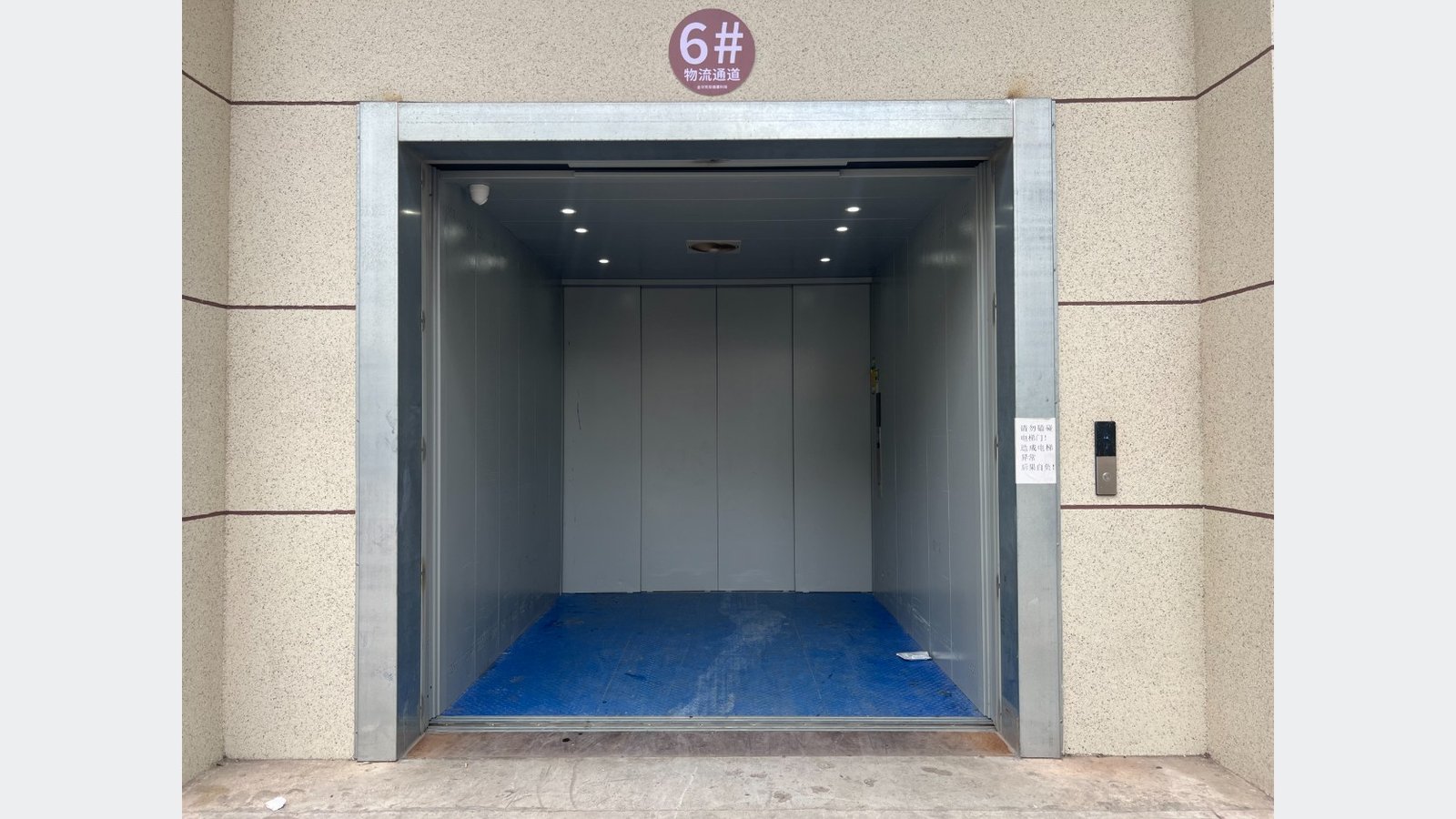
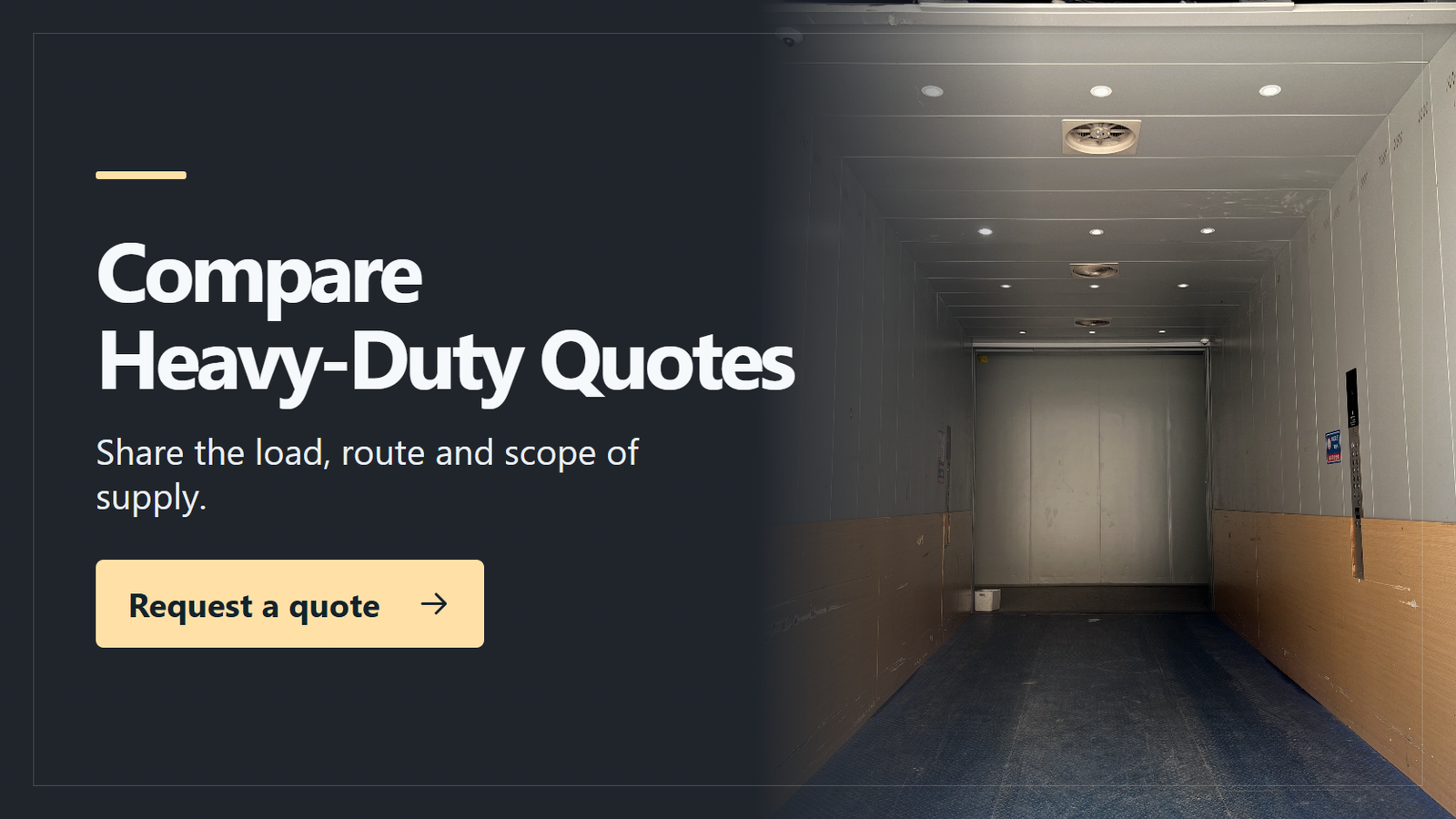
The photograph shows an entrance and cabin at FEIYA’s five-tonne Jiangling Plaza installation. The archived fifteen-tonne specimen report documents a separate equipment configuration. Use the approved drawing and loading review to establish the dimensions and permitted loading method for your own project.
Prepare a comparable enquiry for FEIYA Elevator
When discussing FEIYA freight elevator configurations, provide the complete load schedule, packed dimensions, intended handling method and available site drawings. Include the destination and requested supply scope. Mark the heaviest trip, the most difficult package to move and any fixed building constraints.
Contact FEIYA Elevator with those materials so the proposed solution and supporting documents can be reviewed together. A consistent enquiry gives the purchasing team a clearer basis for comparing manufacturers and moving the selected arrangement into approved project documents.